
CAPCOM's Classic Arcade Fighting Series
Street Fighter Arcade Games
From its 1980s arcade origins to SFII, ZERO/Alpha, 3rd Strike, and the high-speed VS series, we’ve curated the evolution of the franchise. Play 11 classic titles directly in your browser.
11 playable titles
5 key evolutionary eras
Series Timeline: From Arcade Origins to Competitive Classics
The following milestones map the series' development; entries marked "Play Now" are available on our site.
1987
The Original Origin
The original Street Fighter established the foundation of the arcade joystick, punch/kick buttons, and special move inputs.
Historical Milestone
1991–1994
The Golden Age of SFII
World Warrior ignited local competition, while Champion Edition and Hyper Fighting pushed character rosters and gameplay pacing forward.
3 Playable
1995–1998
The Evolution of ZERO/Alpha
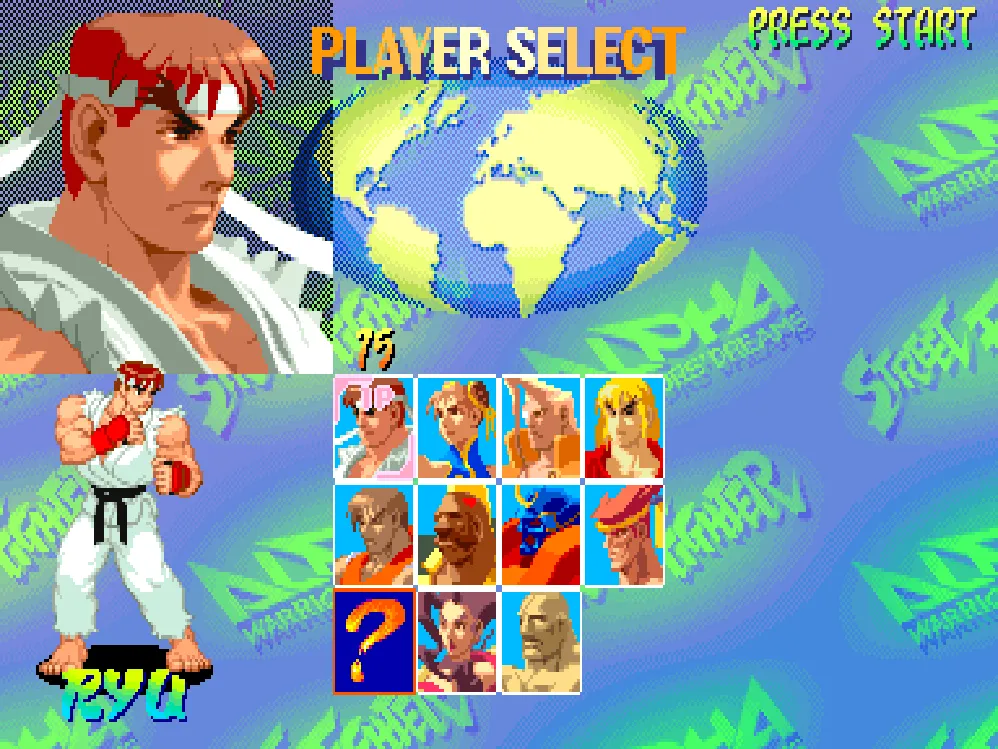
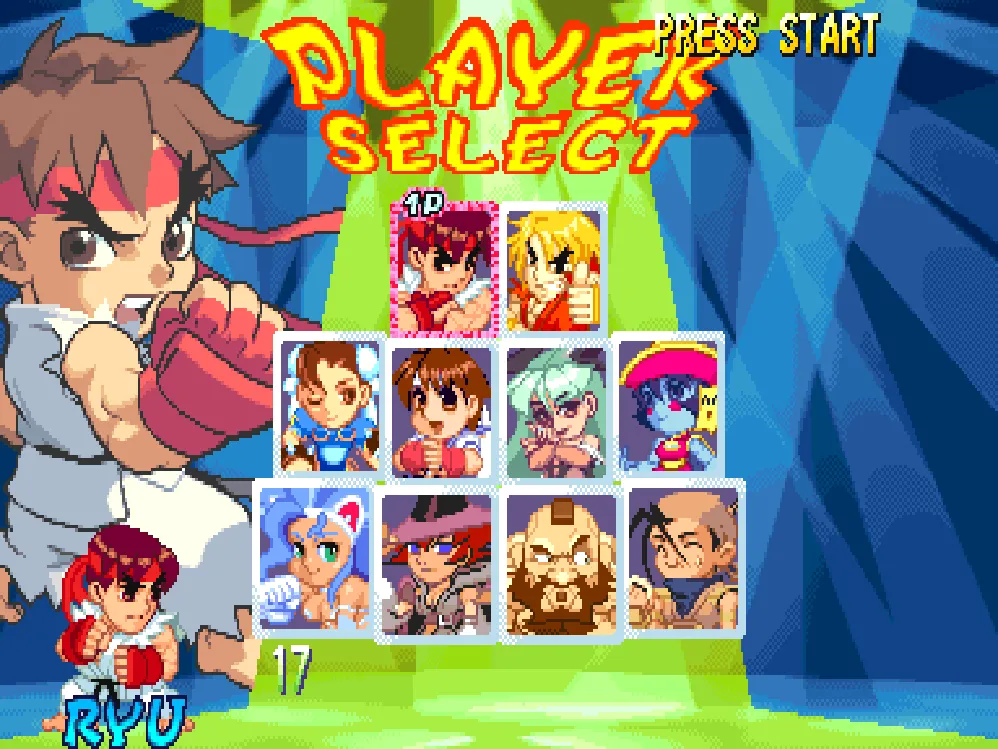
The ZERO/Alpha series expanded offensive options with a distinct anime-inspired art style and multi-level Super Combos.
3 Playable
1997–1999
SFIII and 3rd Strike
SFIII introduced a fresh roster and the Parry system, with 3rd Strike becoming the gold standard for high-level play.
1 Playable
1996–1998
High-Speed Crossovers: The VS Series
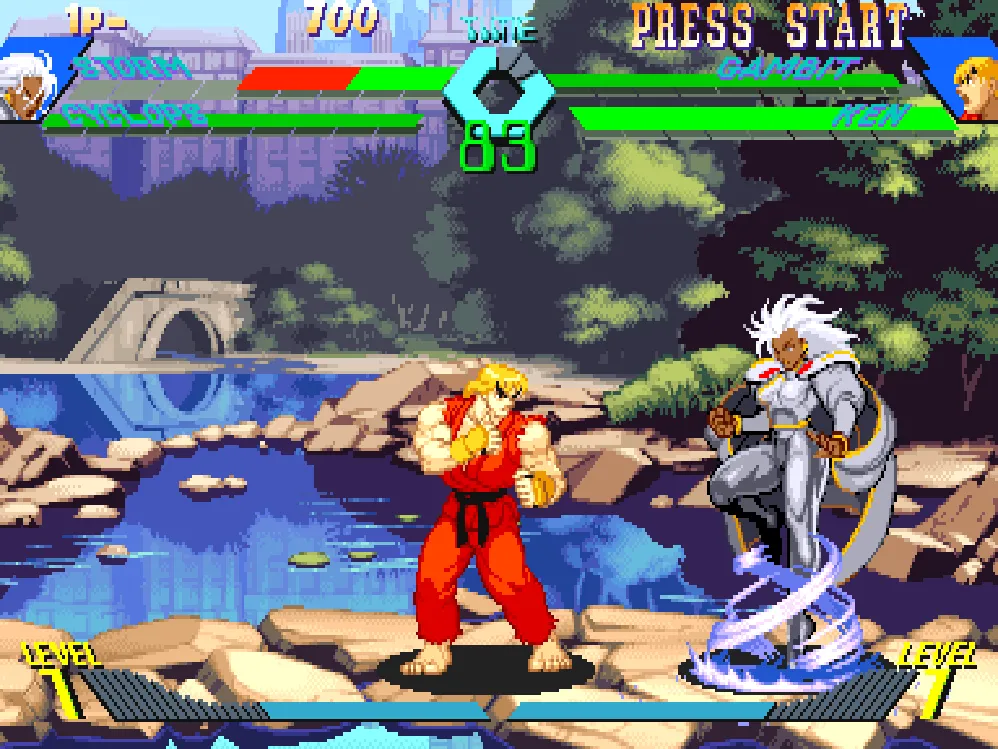
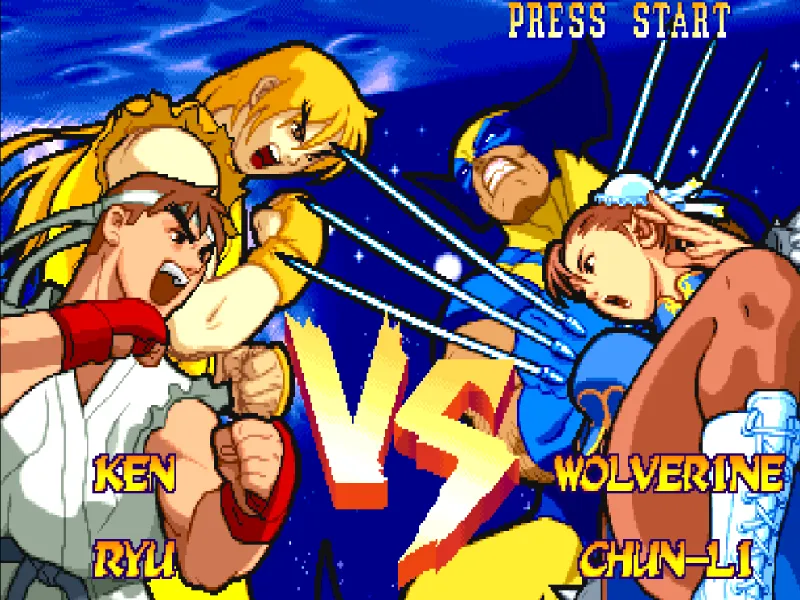
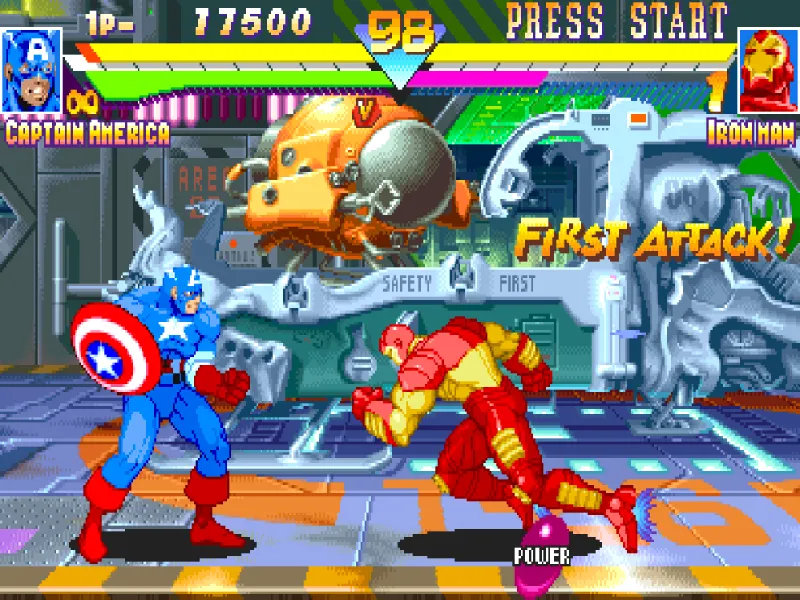
From X-Men vs. Street Fighter to Marvel vs. Capcom, the gameplay became more aggressive with complex combos, air-dashes, and tag-team mechanics.
4 Playable
Street Fighter Titles Available to Play
All links lead to the respective game pages; check the in-game prompts for specific controls once the emulator starts.
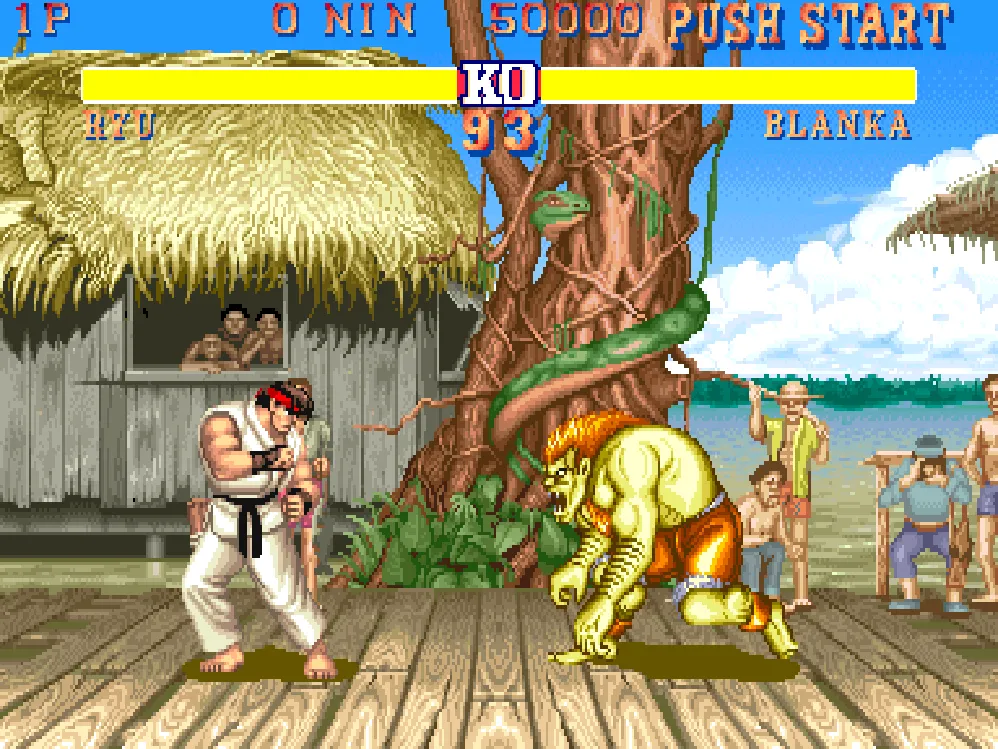
SFII: Setting the Arcade Standard
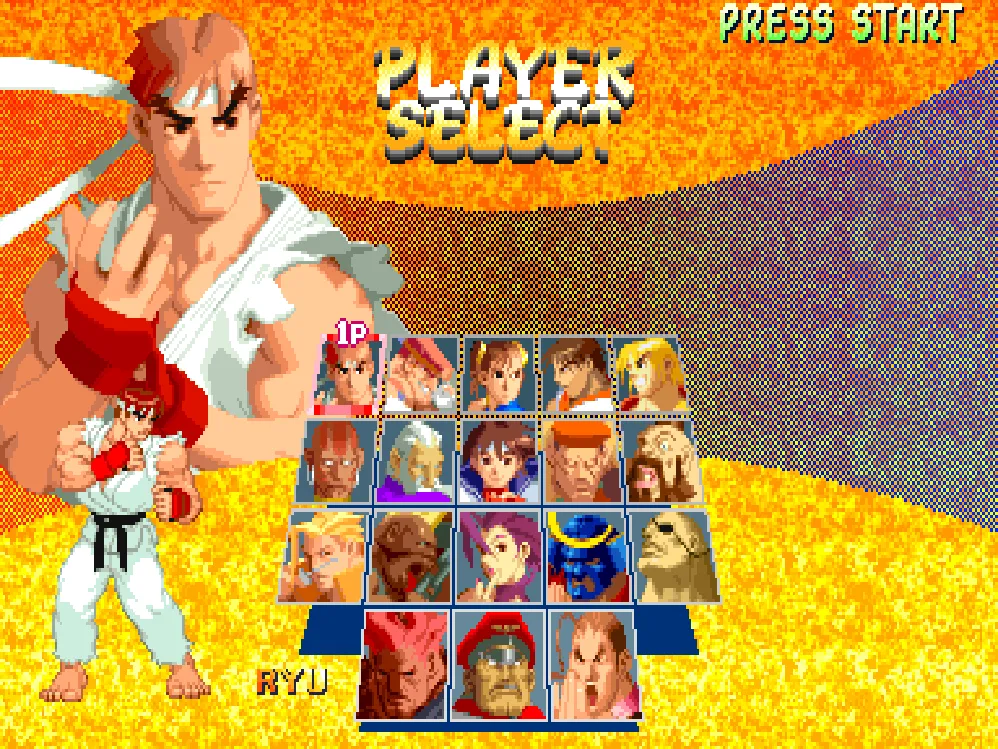
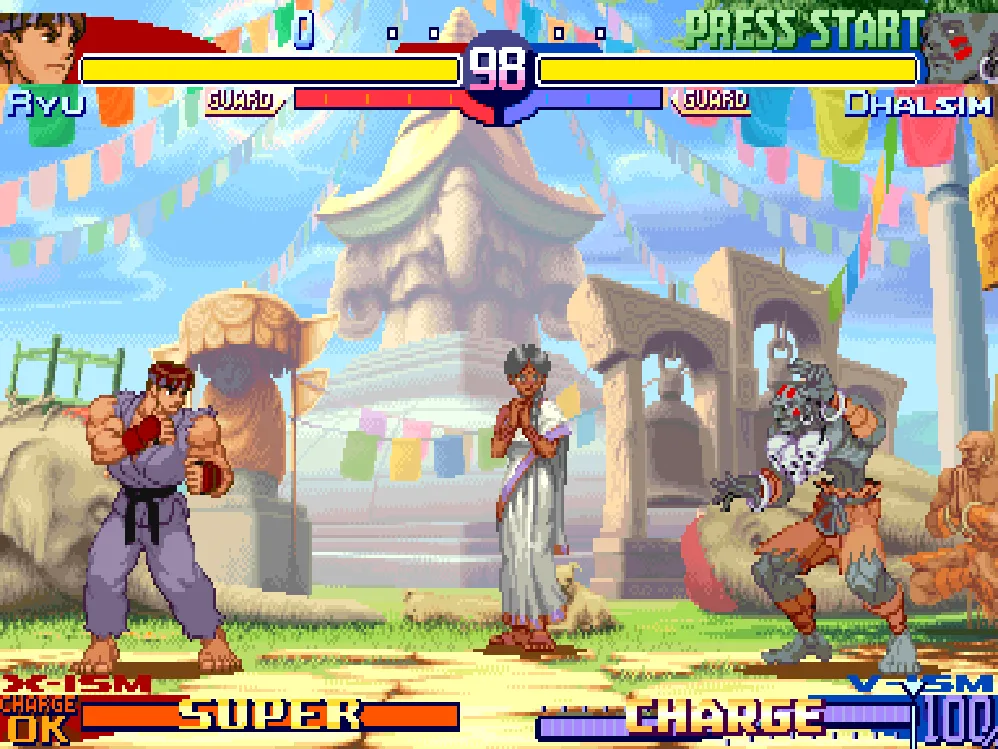
ZERO/Alpha: Faster Pacing & Super Systems
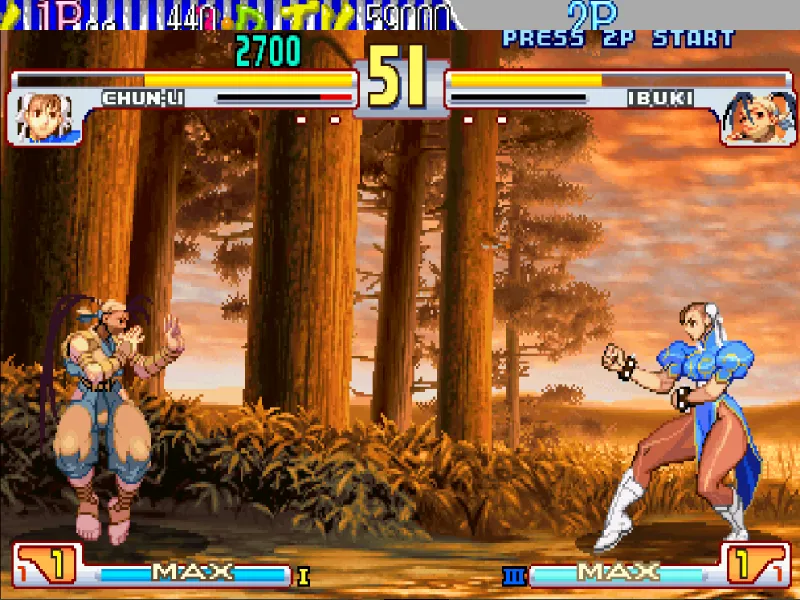
SFIII: The Pinnacle of High-Level Play
Where should you start?
New to Street Fighter
Start with Street Fighter II: The World Warrior to get comfortable with spacing, jumping, anti-airs, and basic special moves.
Want classic local battles
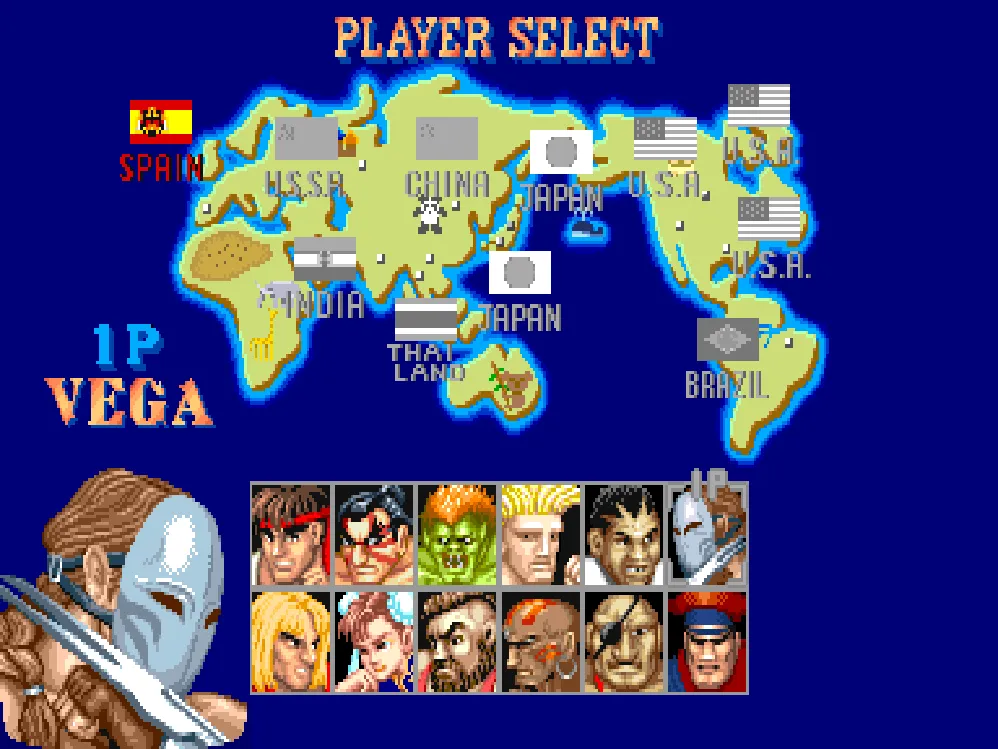
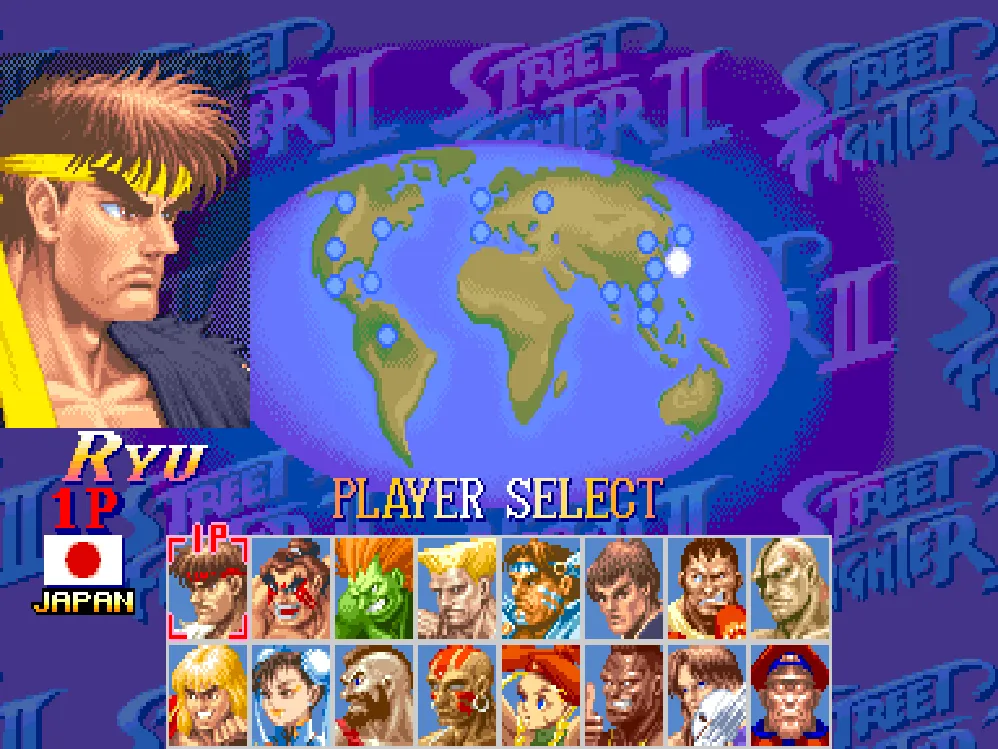
Choose Champion Edition or Hyper Fighting to experience the evolution of speed and balance in the SFII era.
Want deeper systems
Start with Alpha 3 to master character styles, Super Combos, and more proactive offensive strategies.
Want a high-level challenge
3rd Strike is perfect for players familiar with six-button layouts who want to dive into advanced parrying and mind games.
Love high-speed combos
Prioritize X-Men vs. Street Fighter and the Marvel series.
Arcade Basics: Understand the Layout
Classic Street Fighter arcade controls rely on a joystick and a six-button layout: the top row is usually Light/Medium/Heavy Punch, and the bottom row is Light/Medium/Heavy Kick. On this site, we use U, I, O and J, K, L for these buttons; Shift to insert coin, Enter to start, and Space to pause. Controls may vary by ROM; always check the prompt before starting each game.
FAQ
Do I need to log in to play?
No. Simply open any game page and start the emulator to play directly in your browser.
Can I play two-player mode?
The original arcade games support two-player versus mode; please refer to the startup prompts for specific coin, start, and player button assignments.
Why are there multiple versions of SFII?
World Warrior, Champion Edition, and Hyper Fighting represent key stages in character selection, game balance, and speed adjustments.
Why do controls change between games?
The original arcade hardware had varying button configurations; we have mapped these to your keyboard and provided specific prompts for each game.
Street Fighter and all related characters, game titles, and trademarks are the property of Capcom and their respective owners. This page is for informational purposes and site navigation only.
Why did Street Fighter define arcade fighting?
It wasn't just about "pressing buttons." The series brought face-to-face competition, unique character traits, iterative balance, and a skill-based system into arcades, making every match a mix of instant reaction and long-term mastery.
Local Challenge Culture
In the arcade, another player could drop a coin at any time, making player-vs-player combat the core experience beyond just "beating the game."
Six-Button Depth
Light, medium, and heavy attacks give every character different range, speed, and risk profiles, creating clear offensive and defensive choices.
Iterative Evolution
SFII, ZERO/Alpha, and SFIII aren't just sequels; they continuously refined speed, character rosters, and system complexity.
Mind Games & Counters
Jumping, anti-airs, throws, blocking, and special moves form a cycle; the true fun comes from predicting your opponent.
Mainline, ZERO, and VS: How to navigate?
Each branch offers a different pace and learning curve. The guide below helps you choose based on your preferences.
Steady, Clear, Distance-Focused
SFII: Building the Fundamentals
With Hadokens, Shoryukens, and basic jumps, SFII is the best place to learn "when to attack and when to defend."
Start with World WarriorFaster Pacing, Richer Super Systems
ZERO/Alpha: Proactive Offense
The Alpha series emphasizes movement, combos, and Super Combos, perfect for those ready to expand their offensive options.
Try Alpha 3Air-Dashes, Tags, Aggressive Offense
VS: High-Speed Combos & Crossovers
The X-Men and Marvel crossovers feature faster gameplay and flashy combos, ideal for players who love high-octane action.
Enter the VS SeriesMeet the Iconic Characters
A character's moveset changes how you approach a match. Here are the most accessible archetypes.
Standard
Ryu
Hadoken, Shoryuken, and Tatsumaki form the most intuitive foundation. Great for practicing projectiles, anti-airs, and cancels.
Offensive
Ken
Shares the same framework as Ryu but is better suited for players who want to apply pressure and master aggressive attack rhythms.
Speed
Chun-Li
Fast movement and distinct normal attacks make her perfect for learning how to control space with speed.
Charge/Defensive
Guile
Uses charge-based moves for stable zoning and anti-airs, emphasizing patience and counter-attacking.
High-Risk/High-Reward
Akuma
Powerful offensive capabilities paired with higher risk; recommended once you've mastered the basics.
System-Heavy
SFIII New Generation
The new characters and Parry system in 3rd Strike are perfect for players who want to focus on reading opponents and timing.
5 Steps for Your First Playthrough
01
Pick a character you like
Don't worry about memorizing move lists yet; just finish a match to get a feel for movement speed, jump arcs, and attack range.
02
Practice one projectile or dash move
Use a common special move to observe range and recovery, and understand when it's safe to attack.
03
Make anti-air your first lesson
When an opponent jumps in, try to use an upward normal or a Shoryuken-style move instead of jumping to meet them.
04
Jump less, walk more
Ground movement and blocking are more stable than aimless jumping—this is the most important habit for SFII beginners.
05
Compare pacing across versions
The same character feels different in SFII, Alpha, and SFIII; switching between them is the best way to understand the series' evolution.