1.1 World Setting
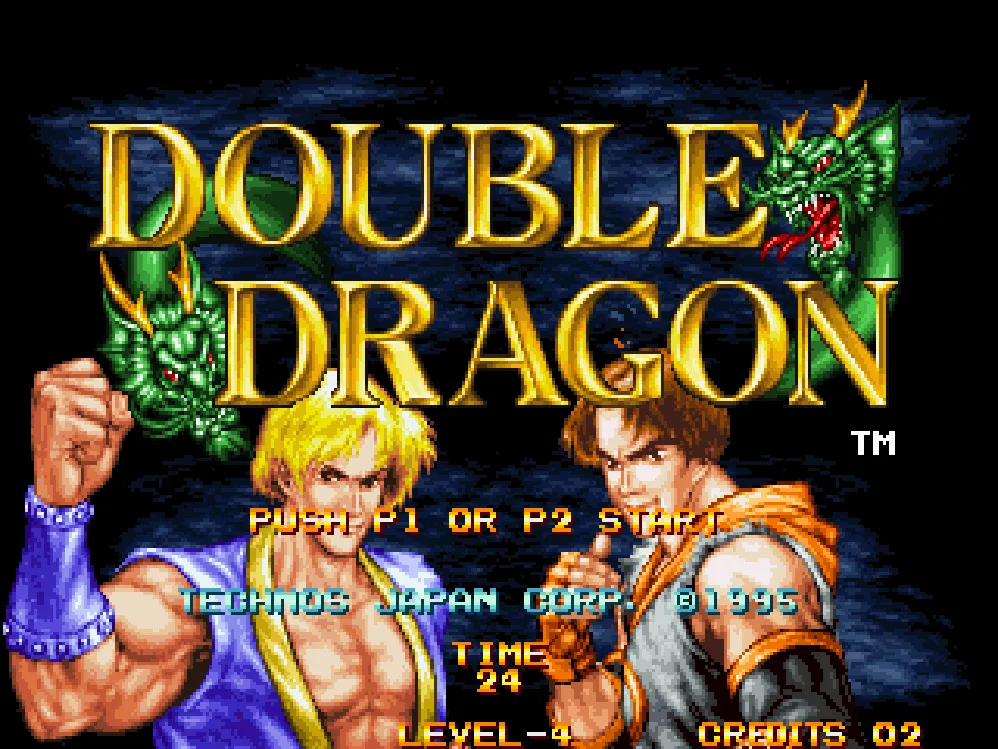
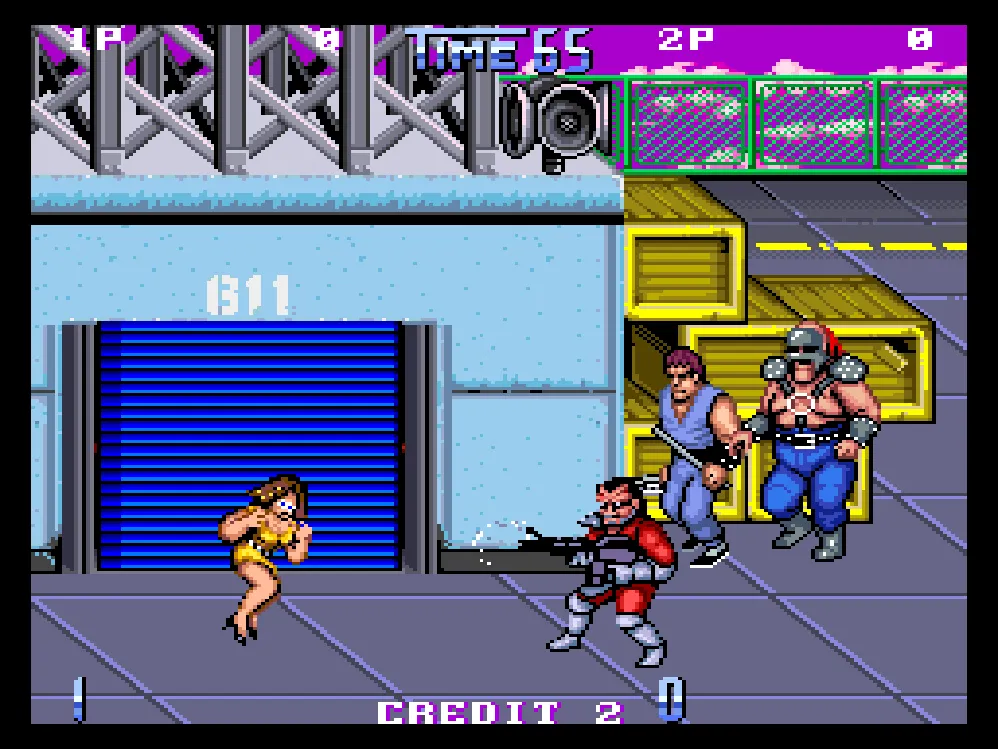
In 1988, following the global success of the original Double Dragon, Technos Japan released the sequel, Double Dragon II: The Revenge. Departing from the "damsel in distress" narrative of the first game, this title opens with a shocking twist: the heroine, Marian, is gunned down by the Black Warriors gang in the street. This bold narrative choice set a dark, gritty tone for the entire game. Witnessing the death of their beloved, brothers Billy and Jimmy Lee embark on a path of blood and vengeance.
The game takes players from city streets and rooftops through industrial zones, farmlands, forests, and caves, leading deep into the Black Warriors' fortress. Your goal is no longer just rescue—it is pure revenge. Interestingly, in the arcade version, Marian's fate isn't as final as the opening suggests; under specific conditions, players can discover that she actually survived, a twist that stunned many players back in the day.
1.2 Development History
Technos Japan established the framework for side-scrolling beat-'em-ups with the original Double Dragon (1987). In 1988, the team utilized upgraded arcade hardware to create a sequel that aimed to surpass its predecessor in every way: better graphics, smoother animation frames, a more complex move set, and more aggressive enemy AI. Double Dragon II replaced the traditional punch/kick buttons with a directional attack system, which became the game's most iconic feature.
Upon release, the game became a massive hit in arcades worldwide, particularly in North America. It solidified the beat-'em-up genre, directly influencing later classics like Final Fight and Streets of Rage. The NES version, released in December 1989, was not a simple port but a complete redesign for home consoles, featuring non-linear level structures, a two-player co-op mode, and the famous "friendly fire" mode.
II. Character Profiles
Billy Lee—Dressed in blue, he is the orthodox successor of the Sou-Setsu-Ken style. As the older brother, Billy excels in balanced power and speed, making him the recommended choice for beginners. His footwork and combo rhythm are steady and reliable, perfect for head-on combat.
Jimmy Lee—Dressed in red, he is Billy's twin brother. Jimmy is known for slightly faster speed and more agile movement, ideal for players who prefer hit-and-run tactics. He shares the same move list as Billy, with differences primarily limited to visual appearance and subtle handling nuances.
Character Stats:
| Attribute | Billy | Jimmy |
|---|---|---|
| Power | ★★★★ | ★★★★ |
| Speed | ★★★★ | ★★★★☆ |
| Skill | ★★★★ | ★★★★ |
III. Controls
3.1 Basic Controls
The arcade version of Double Dragon II features a unique control layout, replacing traditional punch/kick buttons with a directional attack system. This is the core of the game's mechanics.
| Action | Function |
|---|---|
| Joystick | Move in 8 directions |
| Left Attack | Attack to the left |
| Right Attack | Attack to the right |
| Jump | Jump (stationary/directional) |
| Left Attack + Jump | Back Kick (consumes stamina) |
3.2 Directional Attack System
This system is the biggest highlight of Double Dragon II. When you press an attack button, the character automatically strikes in the direction they are facing. Combining this with joystick inputs triggers different moves. Pressing attack while facing away from an enemy performs an elbow strike, while facing them allows for smoother combo strings. This design makes it possible to fight enemies on both sides, significantly improving the crowd-control experience.
Core Move List:
| Move Name | Input | Notes |
|---|---|---|
| Combo Punch | Rapidly press attack | Basic combo, ~1 bar damage |
| Hyper Knee | Attack while jumping | Strongest move, ~2 bars damage |
| Hurricane Kick | Rapidly press attack after jump | Area-of-effect, consumes health |
| Uppercut | Up + Attack (while grabbing) | Launches enemy into the air |
| Shoulder Throw | Direction + Attack (while grabbing) | Throw, can hit other enemies |
| Knee Bash | Rapidly press attack (while grabbing) | High damage at close range |
| Back Kick | Attack + Jump simultaneously | Crowd control, consumes stamina |
IV. Levels and Boss Strategy
Double Dragon II features 9 arcade stages, spanning from city streets to helicopters, underwater bases, and the final fortress.
Stage 1: City Streets. Focus on thugs and knife-wielders. Don't get surrounded. The boss, Abobo, is strong but slow. Use the Hyper Knee or back attacks to win. You must defeat him twice.
Stage 2: Industrial Zone. Watch out for pits. Ninjas are fast but fragile; use the Hurricane Kick to suppress them. The boss is a duo of ninja leaders.
Stage 3: Helicopter. Tight space; the doors open every 7-8 seconds. Time your movement carefully. Boss: Two large brutes.
Stage 4: Underwater Base. In narrow corridors, steel-clawed enemies attack from both sides. Use the jump-to-ceiling-then-knee-bash loop to clear the path.
Stage 5: Logging Camp. The bearded enemies can throw you into pits—stay on the right side. In the tractor area, time your jumps across steam pipes.
Stage 6: Floating Platforms. Watch for fire dripping from above. Platforms appear and disappear in cycles. On hard mode, they switch instantly.
Stage 7: Gear Traps. Rotating gears and spikes are the main hazards. Time your jumps to the gear rotation. Trap bombers against the wall to make them blow themselves up.
Stage 8: Fortress Outpost. A gauntlet of elite enemies. The Phantom boss has high HP; some versions allow you to trap him on a ladder.
Stage 9: Final Showdown. The leader has massive HP (up to 20 bars on hard). Strategy: Use combo punches to keep him locked in a close-quarters brawl, preventing him from using his high-damage spin attack.
V. Pro Tips
5.1 Survival Tips
- The Hyper Knee is King: It deals ~2 bars of damage, making it the best move for both mobs and bosses.
- Use Hurricane Kick Sparingly: It consumes your own health. Save it for when you are surrounded.
- Use Weapons: Knives, bats, whips, and dynamite are scattered throughout levels. Use them to gain an edge.
- Stay at the Screen Edge: Keep yourself to one side to limit the angles from which enemies can attack.
- Prioritize Throws: When crowded, grab an enemy and throw them into others to clear space.
- Adapt to Difficulty: On hard mode, enemies are faster and tougher. Don't stand still; keep moving and jumping.
VI. Trivia and Arcade Legends
The Controversial Opening: Marian's death was a shock in 1988. It subverted the "save the princess" trope. However, the arcade version contains a hidden "Marian lives" ending.
The Directional Attack Risk: Technos took a gamble by removing dedicated punch/kick buttons. While it added depth, it also increased the learning curve, often leading to quick "Game Over" screens for new players.
The NES/FC Version is Different: The 1989 home version was a complete remake, not a port. It featured non-linear levels, a two-player "friendly fire" mode, and different enemy layouts.
Influenced Classics: The combat rhythm of Double Dragon II directly inspired Capcom's Final Fight.
The One-Credit Challenge: In the arcade era, this game was notoriously difficult. Some machines even disabled continues, making a "one-credit clear" the ultimate badge of honor.